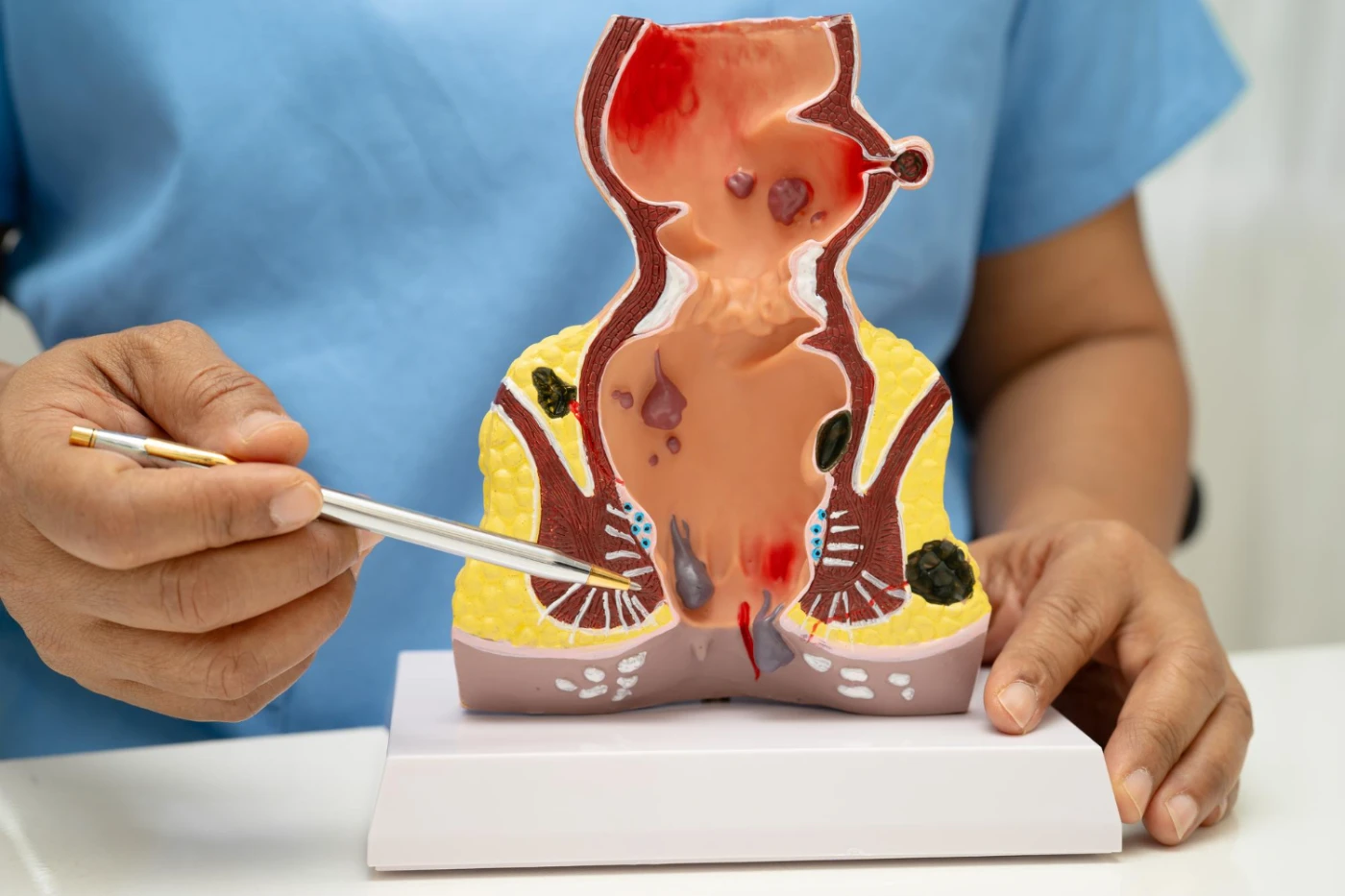
1. What Is a Skin Tag on the Anus & Why People Worry About It
Discovering a lump or a bump in a sensitive area is a universal moment of panic. You are in the shower, or perhaps cleaning up after using the toilet, and you feel something that wasn’t there before—a small, soft flap of skin. Immediately, the mind races to the worst-case scenarios. Is it a tumor? Is it a wart? Is it dangerous?
If you are reading this, take a deep breath. What you are likely feeling is an anal skin tag, a very common and benign condition that affects countless adults. While they are generally harmless, the anxiety they cause is real. In India, where there is often a cultural hesitation to discuss anorectal health openly, many people suffer in silence, worrying about cancer risks or hygiene difficulties.
Common concerns we hear from patients include:
- Is it cancer? (Spoiler: usually, no).
- Will it grow bigger?
- Why is it so hard to keep the area clean?
- Can I just cut it off myself?
This brings us to a critical topic we will cover in depth: skin tag on anus removal at home. While the internet is full of "DIY" hacks, distinguishing between a harmless tag and a more complex condition—like a sentinel pile or a viral wart—is crucial before attempting any intervention.
In this guide, we will break down exactly what these tags are, why they happen (often due to piles or fissures), and the safe ways to manage them. Remember, a correct diagnosis is the first step to peace of mind.
2. Understanding Anal Skin Tags: A Simple Medical Explanation
2.1 What Exactly Is an Anal Skin Tag?
To put it simply, an anal skin tag is excess skin that hangs from the anal opening. Unlike the smooth, taut skin that should be there, a tag feels like a small, deflated balloon or a soft raisin.
They are typically flesh-colored, though they can sometimes be slightly darker than the surrounding skin. In terms of texture, they are usually soft and painless to the touch. This is a key differentiator: if the lump is hard, purple, and extremely painful, it is likely a thrombosed hemorrhoid, not a simple skin tag. If it has a cauliflower-like rough surface, it might be a wart. A true skin tag is just skin—connective tissue covered by epidermis.
While we often use the general term "skin tag," medical professionals might refer to specific types, such as a sentinel tag, which "guards" a fissure. We will discuss those in detail later.
2.2 Where Do Anal Skin Tags Come From?
Think of a balloon that has been inflated and then deflated. It never quite goes back to its original, smooth shape; it looks a bit wrinkly and loose.
This is essentially what happens to the skin around the anus. The anal region is highly vascular and subject to a lot of pressure. If the skin in that area is stretched—due to swelling, a passing hard stool, or inflammation—and then the swelling goes down, the skin may remain stretched out. This loose, leftover skin forms the tag. They are essentially the "footprints" of previous trauma or swelling in the anal canal.
3. Common Causes of Anal Skin Tags
Understanding the cause is half the battle in prevention. In the Indian context, where dietary habits can sometimes lead to digestive volatility, these causes are very prevalent.
3.1 Anal Skin Tags Caused by Hemorrhoids
Hemorrhoids (or piles) are the leading culprit. When a hemorrhoid swells, the skin covering it stretches to accommodate the inflammation. Once the hemorrhoid flare-up subsides and the vein shrinks back down, the skin that was stretched doesn't always snap back into place. It remains as an empty sac or flap.
Many patients ask how to shrink hemorrhoid skin tag tissue that is left behind. It is important to realize that this "tag" is the aftermath of the pile, not the pile itself. It is the stretched-out wrapper left after the candy is gone.
3.2 Anal Fissure & Sentinel Tag Formation
An anal fissure is a small tear or cut in the lining of the anus, often caused by passing hard, dry stool. The body tries to protect this injury. In chronic cases, the skin at the lower end of the fissure swells up and becomes fibrotic (thickened).
This results in an anal fissure skin tag, often medically termed a sentinel tag. It is called "sentinel" because it stands guard over the fissure. Unlike a hemorrhoidal tag, which is just loose skin, a sentinel tag can be associated with the sharp, burning pain of the fissure it accompanies.
3.3 Other Contributing Factors
- Chronic Constipation: The constant straining to pass stool puts immense pressure on the anal veins and skin, causing micro-tears and stretching over years.
- Pregnancy and Childbirth: The immense pressure on the pelvic floor during pregnancy and labor frequently leads to hemorrhoids and subsequent skin tags.
- Crohn’s Disease: In some cases, thickened skin tags can be a sign of inflammatory bowel disease (IBD). This is why a doctor's check-up is vital.
4. Symptoms: How to Identify an Anal Skin Tag Correctly
How do you know if you have an anal skin tag or something else?
Typical Symptoms:
- Sensation of a lump: You feel extra skin while wiping or washing.
- Hygiene issues: This is the most common complaint. The tag creates crevices that trap moisture and fecal residue, causing itching (pruritus ani) or a feeling of "uncleanliness" even after washing.
- No Pain (Usually): A pure skin tag does not hurt. If you have pain, it is likely due to an underlying fissure or an active hemorrhoid, not the tag itself.
When confusion happens:
It is easy to confuse these with other conditions.
- Hemorrhoids bleed and hurt.
- Warts (HPV) grow in clusters and have a rough texture.
- Polyps usually originate inside the rectum and may protrude out.
If you are unsure, seeking professional clarification at a specialized center like Bangalore Gastro Centre ensures you aren't treating a viral infection with hemorrhoid cream.
5. ⭐ Patient Q&A Section (Answer Engine Optimised)
This section addresses the most urgent questions we receive from patients who are hoping to avoid a doctor's visit.
Q1. Can anus skin tags go away on their own?
The short answer is: No, usually not.
Detailed Explanation:
Many patients wait months or years hoping the tag will simply vanish. It is crucial to understand that an anal skin tag is made of solid tissue—fibrous connective tissue and skin. Unlike a pimple that bursts or a swelling that drains, this is "extra" physical material.
- Why they stay: Once the skin is stretched and creates a flap, the body has no mechanism to "absorb" that skin back into the body. It is permanent tissue.
- The Illusion of Disappearance: Sometimes, a tag might seem to get smaller. This usually means the inflammation around the tag has gone down, making it appear less prominent. However, the skin flap itself remains.
- The Exception: If the "tag" is actually just acute swelling from a recent fissure, it might fully resolve as it heals. But a chronic, established tag will not disappear without removal.
So, when people ask, "Can anus skin tags go away on their own?" regarding established tags, the medical reality is that they are permanent unless physically removed.
Q2. Do anal skin tags go away naturally without treatment?
The short answer is: No, they do not go away naturally.
Detailed Explanation:
This question often stems from confusion between a "skin tag" and a "hemorrhoid."
- Hemorrhoids (swollen veins) can shrink naturally with diet changes, water, and time.
- Skin Tags (the sack left behind) cannot shrink naturally.
If you improve your diet, stop straining, and treat your constipation, you prevent new tags from forming, and you stop existing tags from getting irritated or swollen. However, the loose skin that is already there has no biological pathway to "un-grow" or dissolve.
If you are searching "Do anal skin tags go away" because you are afraid of surgery, take heart: they don't have to be removed unless they are bothering you. But if you want them gone for cosmetic or hygiene reasons, medical intervention is required.
6. Skin Tag on Anus Removal at Home: What Is Safe & What Is Risky?
6.1 Why People Search for Skin Tag on Anus Removal at Home
We understand the embarrassment. No one wants to walk into a clinic and show a doctor their bottom. This fear drives thousands of people to search for skin tag on anus removal at home. There is also a fear of surgical pain or the cost of procedures. However, the anus is an extremely sensitive, bacteria-rich, and vascular area. DIY methods here are fraught with danger.
6.2 Home Measures That May Help Symptoms (Not Removal)
While you cannot remove the tag at home, you can manage the annoyance it causes:
- Hygiene: Use a hand shower or bidet (common in India) instead of aggressive wiping with paper, which irritates the tag.
- Sitz Baths: Sitting in warm water helps soothe the area if the tag is irritated.
- Barrier Creams: Using a simple zinc oxide cream or petroleum jelly can prevent chafing between the tag and surrounding skin.
6.3 Dangerous Home Removal Methods to Avoid
Please read this carefully: Do NOT attempt to cut, tie, or burn off an anal skin tag at home.
- Tying off (Ligation): People try to tie a thread around the tag to cut off blood supply.
- The Risk: The anus has a rich nerve supply. This can cause excruciating, blinding pain. Furthermore, if the tie slips, you can cause partial necrosis and severe infection (sepsis).
- Cutting with scissors/blades:
- The Risk: You might accidentally cut into a blood vessel or the sphincter muscle. Uncontrolled bleeding in this area is a medical emergency.
- Using Wart Removers/Acids:
- The Risk: Chemicals meant for warts on the hand are too harsh for the delicate mucosal skin of the anus. You can cause chemical burns and chronic ulcers that are far worse than the tag itself.
When it comes to skin tag on anus removal at home, the only safe advice is: Don't do it. The risks of infection and damage to your continence (ability to hold stool) are too high.
7. How to Shrink Hemorrhoid Skin Tag: Is It Possible?
7.1 Can Hemorrhoid Skin Tags Shrink Over Time?
We frequently encounter patients asking how to shrink hemorrhoid skin tag remnants using creams or oils.
Here is the distinction: You can shrink the inflammation. You cannot shrink the skin.
If your tag feels swollen, tender, or larger than usual, it is likely inflamed. In this state, anti-inflammatory creams, ice packs, and Sitz baths can reduce the swelling, making the tag appear smaller. However, once it returns to its baseline "flesh-colored flap" state, no amount of cream will make that skin retract.
7.2 Medical & Lifestyle Approaches
While you can't eliminate the skin, you can prevent it from puffing up:
- Regulate Stool Consistency: Soft stools mean less friction on the tag.
- Hydration: How Much Water Should You Drink Daily? A Gastroenterologist Explains. Proper hydration is key to preventing the straining that inflates these tags.
- Don't Linger: Sitting on the toilet for long periods (scrolling on the phone!) causes blood to pool in the anal area, swelling the tags.
Ultimately, if you are looking for how to shrink hemorrhoid skin tag tissue permanently, you are looking for a removal procedure, not a home remedy.
8. Anal Fissure Skin Tag (Sentinel Tag): Special Considerations
8.1 What Makes a Sentinel Tag Different?
An anal fissure skin tag is different from a random skin tag. It is a sign of a deeper problem. The "Sentinel Pile" or tag forms at the base of a chronic fissure.
In this scenario, the patient usually complains of "pain like broken glass" during bowel movements, followed by a burning sensation. The skin tag is just a bystander—a reaction to the wound.
8.2 Why Treating the Fissure Matters More Than the Tag
If you have a sentinel tag, removing the tag without healing the fissure is a mistake. The surgery wound won't heal because the underlying tight muscle (sphincter spasm) is still causing trouble.
Doctors treat an anal fissure skin tag by addressing the fissure first—often with ointments to relax the muscle or a minor procedure (LIS). Often, once the fissure heals, the sentinel tag becomes less irritated and the patient decides they don't even need it removed.
9. When Should You See a Doctor for an Anal Skin Tag?
While most tags are harmless, you should not self-diagnose forever. You should see a specialist (Proctologist or Gastroenterologist) if:
- Bleeding: Skin tags do not bleed. If there is blood in the toilet, it could be internal piles, a fissure, or something more serious like polyps or colorectal cancer.
- Change in Appearance: If the tag turns black, purple, or grows rapidly.
- Pain: As mentioned, pain indicates an active issue, not just an old skin tag.
- Interference with Daily Life: If you cannot clean yourself properly or if the tag causes embarrassment that affects your intimacy or quality of life.
At specialized clinics, the examination is quick, private, and usually painless. It provides the definitive answer to "is this dangerous?"
10. Diagnosis & Medical Treatment Options (Educational Overview)
10.1 How Doctors Confirm It’s Just a Skin Tag
Diagnosis is primarily visual. The doctor may perform a digital rectal exam to ensure there are no growths inside the anal canal. This rules out internal hemorrhoids or tumors.
10.2 Safe Medical Removal Options
If you decide you want the tag gone, medical removal is simple and safe. It is worlds apart from risky skin tag on anus removal at home attempts.
- Radiofrequency Ablation / Laser Removal: These are modern, minimally invasive techniques used at advanced centers like Bangalore Gastro Centre. The tag is removed with precision, sealing blood vessels instantly to minimize bleeding.
- Excision: A simple surgical snip under local anesthesia.
- Recovery: Recovery is usually quick. There is some discomfort for a few days, easily managed with painkillers, but the relief of having the area smooth and clean is often immediate.
11. Diet, Digestion & Prevention: Why Gut Health Matters
You cannot change the past, but you can prevent future skin tags. The health of your anus is a direct reflection of the health of your digestion.
In India, our diet can be rich in fiber (good!) but also heavy on spice and oil (triggers!). To prevent the straining that causes anal skin tags:
- Fiber is King: Isabgol (Psyllium husk), green leafy vegetables, and fruits help bulk the stool.
- Avoid "Trigger" Foods: Excessive chili can irritate the anal lining, leading to inflammation and swelling of existing tags.
- Hydration: We cannot stress this enough. Water keeps the stool soft.
Watch this helpful guide:
To understand exactly what to eat to keep your digestive tract moving smoothly, check out this video:
Eat These Fantastic Foods for a Healthy Small Intestine!
Healthy intestines mean no straining, and no straining means no new skin tags.
12. Frequently Asked Follow-Up Questions (Quick Answers)
Q: Are anal skin tags cancerous?
A: No. Anal skin tags are benign (non-cancerous). However, because anal cancer can look like a lump, a doctor should verify it.
Q: Do they spread?
A: No. Unlike warts which are viral and contagious, an anal skin tag is just stretched skin. It does not spread to other parts of the body or to other people.
Q: Is surgery painful?
A: The procedure is done under anesthesia (local or general), so you feel nothing. Post-op pain is usually manageable and short-lived compared to the chronic annoyance of the tag.
Q: Can they come back?
A: If the underlying cause (like chronic constipation or how to shrink hemorrhoid skin tag swelling) isn't fixed, new tags can form. But the specific tag that was removed will not grow back.
13. Key Takeaways for Patients
Dealing with an anal skin tag can be frustrating, but it doesn't have to be frightening.
- They are benign: Most tags are harmless leftovers of old piles or fissures.
- Don't DIY: Skin tag on anus removal at home is dangerous and can lead to infection or severe pain.
- Hygiene helps: Keep the area clean and dry to manage symptoms.
- Medical removal is easy: If they bother you, a simple outpatient procedure can remove them safely.
- Check the cause: Always ensure it’s not a sentinel tag guarding a fissure that needs treatment first.
If you have doubts, don't rely on guesswork. A simple consultation can rule out serious issues and help you decide the best path forward.